
Laguna Beach Home Preparation: Renovation or Polish

The decision is simple to name and hard to make: should the home go through a full renovation before listing, or does it only need a thoughtful polish?
For a Laguna Beach luxury seller, that choice affects more than the look of the property. It can change the budget, the listing date, the permit path, the amount of time spent with contractors, and the way the home reads in photographs and private showings.
A full renovation can solve obvious condition issues and create a more finished presentation. It can also pull the listing calendar into a longer, less predictable process. A subtle polish usually keeps the schedule tighter, but it asks for discipline. The owner has to decide what to improve, what to leave alone, and how to make every visible detail feel intentional.
This guide frames the renovation-versus-polish decision around ownership demands, not just design taste. Use it as a planning tool, then verify the details with the right local professionals, including your agent, licensed contractors, design team, tax advisor, and the City of Laguna Beach when permits or approvals may apply.

The real question is not how much to do
Most sellers start with the visible question.
Should the kitchen be redone? Should the bathrooms be rebuilt? Should the floors be replaced? Should the exterior get a new color?
Those questions matter, but they come second. The better first question is this:
What must be true before the home can be listed well?
That answer usually sits at the intersection of four things:
Current condition
Target listing timeline
Required approvals
Buyer perception during a walk-through
In Laguna Beach, the timeline piece deserves special attention. Many homes sit on hillsides, near the coast, in areas with design sensitivity, or within neighborhoods where exterior changes can draw extra review. A project that sounds cosmetic at first can become more involved once structural, drainage, electrical, roof, window, balcony, hardscape, or exterior changes enter the plan.
That does not mean renovation is the wrong choice. It means the decision should be made with the listing calendar in full view.
Good laguna beach home preparation is less about doing everything possible and more about doing the right work in the right order.
Renovation and polish create different obligations
A full renovation and a subtle polish both prepare a home for sale, but they ask very different things from the owner.
Preparation path | What it can address | What it demands from the owner | Timeline risk |
Full renovation | Outdated finishes, worn systems, layout issues, visible disrepair, deferred maintenance, stronger photo presentation when work is complete | Larger budget, contractor selection, design choices, permit review when required, more decisions, more site access, more uncertainty | Higher, especially if approvals, special orders, inspections, or change orders are involved |
Subtle polish | Presentation gaps, surface wear, clutter, dated decor, poor lighting, landscaping fatigue, small repairs | Clear priorities, strong editing, staging discipline, fast vendor coordination, restraint | Lower, though delays can still happen with repairs, cleaning, landscaping, and scheduling |
The difference is not only cost. It is control.
A polish keeps more control in the seller’s hands. The work is usually easier to sequence and easier to stop if the listing date needs to hold.
A renovation gives the property a chance to solve larger issues, but it gives more control to other people and processes. Contractors, inspectors, suppliers, architects, designers, neighborhood constraints, and city review can each affect the calendar.
That is the part many owners forget to price in.
A full renovation can improve the story but complicate the schedule
A full renovation may make sense when the home has condition issues that would distract from its strongest features. In a luxury setting, small problems can feel larger because expectations are higher. A balcony with visible wear, a tired entry, damaged flooring, inconsistent lighting, or a dated primary bath can pull attention away from ocean views, privacy, architecture, and indoor-outdoor living.
A larger renovation can also create a cleaner story for the listing. Instead of asking a buyer to imagine future work, the property can present as more complete.
But the owner has to accept the tradeoff.
The budget is only the first commitment
Renovation budgeting is not just materials and labor. It can also include:
Design guidance
Architectural or engineering review
Permit application costs
Temporary storage
Utility coordination
Site protection
Landscaping repair after construction
Cleaning after completion
Staging once work ends
Do not rely on broad estimates from friends, old projects, or homes in different cities. Coastal conditions, access, hillside work, older construction, and finish expectations can change the scope quickly. Get written guidance from qualified local professionals before tying the list date to the renovation plan.
Permits can change the entire plan
Some work may be simple. Other work may require city permits, inspections, planning review, or coastal-related approvals. The right answer depends on the property, the location, and the proposed scope.
For Laguna Beach, official starting points often include:
City of Laguna Beach Community Development Department
City Building Division
City Planning Division
Local zoning and design review information
California Coastal Commission resources when coastal development questions apply
Homeowners association documents when the property sits in an HOA
Exterior work, structural changes, windows, decks, balconies, grading, drainage, retaining walls, roof changes, major electrical or plumbing work, and changes visible from outside can raise different approval questions. Do not assume a project is permit-free because it looks small.
Before committing to renovation, ask the contractor and designer to identify which parts may need review. Then verify with the appropriate city department or professional advisor.

A subtle polish can protect momentum
A polish is not a shortcut when done well. It is a focused preparation plan that makes the home feel cared for without turning the owner into a project manager for months.
This path often works best when the home already has strong fundamentals. The architecture, views, floor plan, outdoor areas, and major systems may be solid, while the presentation feels tired or inconsistent.
A polished listing can include:
Deep cleaning inside and out
Window washing
Paint touch-ups or selective repainting
Minor drywall repair
Lighting adjustments
Hardware replacement
Landscape cleanup
Pool and spa detailing
Decluttering
Art and furniture editing
Staging or partial staging
Small handyman repairs
Pre-listing maintenance checks
The goal is not to hide defects. The goal is to remove distractions.
Polish requires restraint
The danger of a polish plan is scope creep. One touch-up leads to one room repaint. One room repaint leads to new fixtures. New fixtures make older countertops look worse. Soon the seller is in a renovation without the planning discipline of a renovation.
That is why the owner and agent should define the work in writing. A simple preparation list should separate:
Must complete before photography
Helpful if time allows
Not worth delaying the list date
A strong agent can help keep the plan tied to presentation, not personal preference. The seller may have lived with the home’s quirks for years. The agent can help identify which details will show in photos, which will matter during showings, and which may not justify a delay.
Small work still needs coordination
Even polish requires scheduling. Cleaners, landscapers, window washers, stagers, painters, handypeople, pool vendors, and photographers all need access. If the home is occupied, pets, vehicles, personal items, security systems, and privacy needs add steps.
This is where a clean calendar helps. Work backward from the desired photography date, not the public listing date. The property should be ready before the camera arrives, not halfway ready with a plan to finish later.
How buyers may read each choice
No seller can know exactly how a buyer will respond. One buyer may value a move-in-ready presentation. Another may plan to bring their own designer. A third may focus on lot, view, privacy, or architectural potential.
Because buyer reactions vary, preparation should avoid overclaiming. The better goal is to make the property easier to understand.
Renovation can create clarity
A completed renovation can help a buyer read the home quickly. Fresh surfaces, consistent finishes, repaired trouble spots, and updated rooms can reduce the mental list of future projects.
But renovation can also introduce taste risk. A high-end finish still reflects a choice. If the chosen style does not match the buyer’s vision, the seller may not get the response expected. This is why major pre-listing upgrades deserve careful discussion with an agent who understands the current local audience for that price point and property type.
Polish can keep the imagination open
A polished home can present well while leaving room for the next owner’s vision. Clean surfaces, good lighting, edited rooms, and healthy landscaping can help the property feel respected without making every design decision for the buyer.
This path works best when the home’s strengths are already clear. If the main attraction is a coastal view, a private terrace, a rare lot, a strong floor plan, or a quiet setting, polish can help those features lead.
The risk is that visible age or deferred maintenance may still shape perception. A polished home with unresolved condition issues can feel unfinished. That is why repair honesty matters.

Your agent should help set the decision framework
The seller does not need to make this call alone. In fact, renovation decisions made without listing strategy can waste time and energy.
Before hiring trades or ordering finishes, ask the agent to walk the home with a preparation lens. The discussion should cover the likely listing position, photography needs, showing flow, condition concerns, and timing.
A practical agent-guided review can sort work into four groups.
Work category | Typical decision |
Safety or function concerns | Verify with qualified professionals and address before listing when needed |
Visible distractions | Repair, clean, edit, or disclose as appropriate |
Design updates | Compare cost, timing, taste risk, and listing impact before starting |
Personal preference projects | Avoid unless they support the agreed listing strategy |
This framework keeps the owner from treating every improvement as equal.
A cracked tile near the entry may matter more than a closet upgrade. A fogged window panel with a view may matter more than changing a guest bath mirror. Overgrown landscaping at the arrival point may matter more than expensive appliances that are already acceptable.
The agent’s role is not to replace contractors, architects, inspectors, or city staff. The agent’s role is to connect preparation choices to the listing plan.
Permit questions should come early, not after demolition
The most expensive delay is often the one discovered after work starts.
Before committing to a full renovation, confirm whether the scope touches areas that may require permits or approvals. In Laguna Beach, coastal location, hillside conditions, exterior visibility, drainage, access, and older construction can all make early verification valuable.
Use the proper official sources. The City of Laguna Beach provides local building and planning information, and city staff can direct applicants to the correct process for a proposed scope. For coastal questions, the California Coastal Commission or city planning resources may be relevant depending on jurisdiction and project type.
A licensed contractor should understand permit requirements for the work they perform. For design or structural changes, an architect or engineer may need to weigh in. If the property belongs to an HOA, review the governing documents before exterior work begins.
Do not rely on assumptions such as:
“It is only cosmetic.”
“The last owner did it this way.”
“The work is inside, so it will not matter.”
“We can handle the permit later.”
“The buyer will not ask.”
A seller preparing a luxury home needs clean answers. Open permit issues, incomplete work, or uncertain approvals can complicate the listing process and later negotiations.
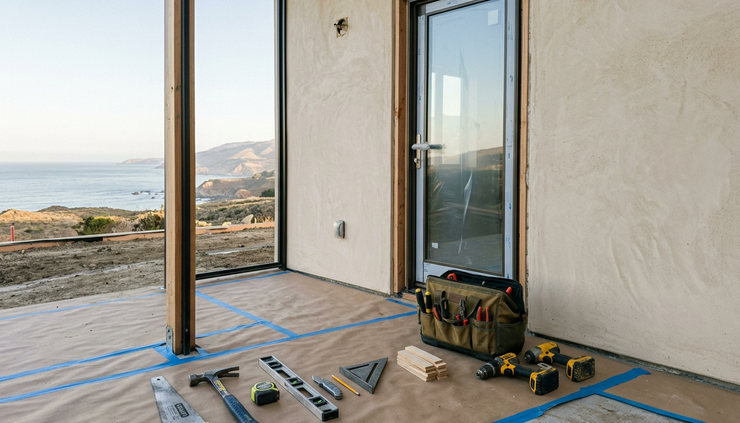
A practical side-by-side decision guide
Use this comparison to decide which path fits the home and the calendar.
Choose a fuller renovation when | Choose a subtle polish when |
The home has visible deferred maintenance that will distract from the listing | The main structure, systems, and finishes already show well |
The desired listing date can move if approvals or materials take longer | The listing timeline is firm or tied to a personal move |
The scope can be clearly priced and managed by qualified professionals | The work can be completed with cleaning, editing, staging, and small repairs |
The improvement solves a real property issue, not just a style preference | The home’s strongest features need less visual competition |
The owner is ready to make decisions and monitor progress | The owner wants a controlled preparation process with fewer variables |
The key is to be honest about capacity. Renovation demands attention. Even with an excellent team, the owner still has decisions to make. Finish selections, access approvals, payment schedules, change orders, neighbor considerations, and listing timing all need management.
Polish takes attention too, but it tends to reward decisiveness. Once the priority list is set, the work can often move in a tighter sequence.
Build the preparation plan backward from the listing date
A clean preparation plan should start with the target market date, then move backward through each step.
For a renovation path, the sequence may include:
Agent walk-through
Contractor and design consultations
Scope definition
Permit or approval review
Budget confirmation
Construction schedule
Inspections or final signoffs when required
Cleaning and staging
Photography and listing launch
For a polish path, the sequence may look more like:
Agent walk-through
Preparation checklist
Vendor scheduling
Decluttering and storage
Repairs and touch-ups
Landscaping and exterior cleanup
Cleaning and window washing
Staging adjustments
Photography and listing launch
Both paths should include a buffer. Homes rarely prepare perfectly on the first attempt. A vendor reschedules, a repair reveals a second issue, fog delays exterior photography, or a room needs one more edit.
The buffer is not wasted time. It protects the listing from feeling rushed.

The best choice is the one that fits the home and the clock
A full renovation can be the right call when the work solves clear problems, the budget is realistic, and the schedule allows for approvals, construction, inspections, and final presentation.
A subtle polish can be the better path when the home’s core appeal is already strong and the seller needs to protect momentum. It can sharpen the listing without turning the sale into a construction project.
Neither path should start with guesswork. Walk the property with an experienced local agent. Get contractor input before assuming cost or timing. Ask the City of Laguna Beach or the appropriate approving body about permits when the scope calls for it. Verify tax, legal, disclosure, and construction questions with the right professionals.
The strongest preparation plan is the one that makes the home clearer, cleaner, and easier to evaluate while keeping the owner’s timeline intact.
Own Luxury Homes® — America’s Luxury Network for fine homes, luxury properties, and significant $1M+ home decisions across the United States.
Our local real estate agents help buyers and sellers in your market.


Comments