
Cashiers Elevation Living Checklist for Staying or Relocating

The decision is simple to describe and hard to make: stay in Cashiers for the mountain views, cooler air, and ski-season rhythm, or move lower to reduce the daily strain of elevation, winter access, and medical planning.
Cashiers, in Jackson County, North Carolina, sits in the Blue Ridge Mountains at an elevation commonly cited around 3,500 feet. That setting is part of its appeal. It also changes ordinary home decisions. Heating matters more. Road access matters more. Medical access matters more. Even grocery runs, guest visits, and storm plans deserve closer review.
This guide is for a first serious conversation with a local real estate agent. It will help frame the tradeoffs of cashiers elevation living without turning a personal health decision into a generic “mountain lifestyle” pitch.
This is informational only. For health, legal, property, zoning, insurance, tax, and construction questions, verify details with the right licensed professionals and official local offices.

Start with the real question
A useful decision does not start with “Do I love the mountains?” Most people considering Cashiers already do.
The better question is:
Can this home, this road, this healthcare plan, and this winter routine support daily life at elevation over the next 5 to 10 years?
That question changes the search. It moves the focus from views alone to livability.
Staying in Cashiers may make sense when
The elevation feels manageable after more than a weekend visit.
Your physician sees no major concern with long-term mountain living.
The property has reliable heating, backup power options, and winter access.
You understand where routine care, urgent care, specialists, and emergency services are located.
The HOA, if any, has clear road, snow, gate, and maintenance procedures.
The lifestyle benefits still outweigh the effort.
Relocating lower may make sense when
Shortness of breath, sleep disruption, fatigue, headaches, or other symptoms keep returning.
A household member needs frequent specialist visits or time-sensitive care.
Winter driving adds regular stress.
Guests or family members struggle with the elevation.
The home requires upgrades that would not fully solve the access or comfort problem.
The mountain lifestyle no longer fits the way daily life actually works.
The answer may not be a full “stay” or “leave.” Some owners shift to a lower-elevation primary home while keeping a seasonal mountain property. Others stay in Cashiers but choose a home with easier access, better systems, and closer medical support.
Compare healthcare before comparing kitchens
Many relocation decisions focus on property features first. With elevation concerns, medical support should move near the top of the list.
Cashiers and the surrounding plateau have local and regional healthcare resources, but the right fit depends on your specific needs. Do not rely on a general statement like “there’s a hospital nearby.” Ask what kind of care you need, how often, and where it is actually delivered.
Questions to ask your doctor before deciding
Bring the property location and typical elevation to your physician. Ask direct questions.
Is this elevation likely to affect my condition?
Should I test an extended stay before buying or deciding to remain?
Are there symptoms that would mean I should leave for lower altitude?
Would oxygen levels, sleep quality, blood pressure, heart function, or breathing capacity need monitoring?
How often would I need in-person visits?
What should my emergency plan include?
Are telehealth visits appropriate for my situation?
Which specialists would I likely need, and how far would I travel for them?
If possible, discuss both normal days and bad-weather days. Mountain living feels different when roads are icy, visibility is poor, or a specialist appointment is not easy to reschedule.
Questions to ask about local and regional care
Ask your agent to help identify resources, then verify directly with providers.
Where is the nearest emergency department?
Where is the nearest urgent care or walk-in clinic?
Which primary care practices are accepting new patients?
Where are cardiology, pulmonary, oncology, orthopedic, or other relevant specialists located?
What happens if an ambulance is needed during winter weather?
Which hospitals are in network for your insurance?
Are prescriptions easy to fill locally, including refrigerated or specialty medications?
Are home health, physical therapy, oxygen supply, or durable medical equipment providers available in the area?
The point is not to rule Cashiers in or out with one answer. The point is to know whether the support system matches your real medical needs.
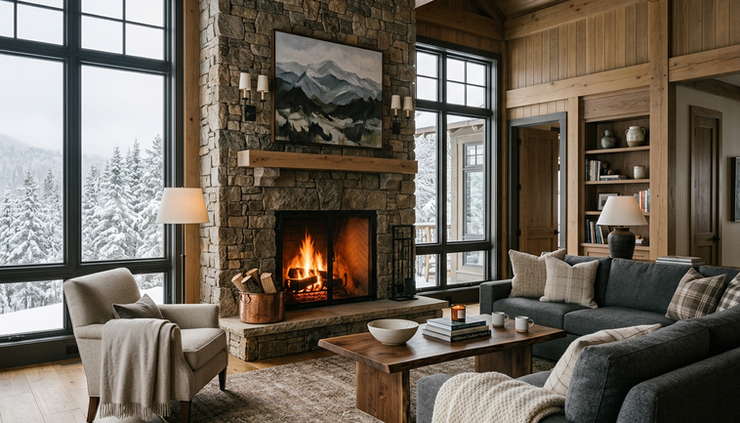
Test the home systems as if you already live there
A mountain property can look perfect in fair weather. The real test is how it performs when temperatures drop, power flickers, roads get slick, and humidity changes.
Heating, insulation, ventilation, backup power, drainage, and access should be part of the first tour, not afterthoughts.
Heating deserves a serious review
Ask what type of heating system the home uses and how well it serves every part of the property.
Questions to bring:
What is the primary heat source?
Is there a secondary or backup heat source?
How old is the system?
Has it been serviced recently?
Are there cold rooms or hard-to-heat areas?
Does the home rely on propane, electric heat, heat pumps, radiant heat, fireplaces, or a combination?
Are fuel deliveries reliable in winter?
Does the driveway allow service trucks to reach the home safely?
Are thermostats zoned by floor or wing?
Are crawl spaces, mechanical rooms, and pipes protected from freezing?
If you move forward, hire qualified inspectors and HVAC professionals. Ask them to evaluate performance for the specific elevation, exposure, orientation, and age of the structure.
Backup power is not only about comfort
In a mountain setting, backup power can support heat, refrigeration, medical devices, well pumps, garage doors, internet, security systems, and basic lighting.
Ask:
Is there a generator?
Is it portable, standby, or whole-house?
What circuits does it support?
What fuel does it use?
When was it last serviced?
Does it start automatically?
Are there HOA rules about generator placement, screening, or noise?
Are permits required for installation or fuel tanks?
Do not assume a generator powers everything. Have an electrician confirm capacity and condition.
Moisture, drainage, and slope matter
Beautiful mountain lots often come with slopes, tree cover, shaded areas, and drainage patterns that require care.
Ask your inspector and agent:
Where does water flow during heavy rain?
Are retaining walls present, and who should inspect them?
Are gutters, downspouts, and drains moving water away from the foundation?
Is the crawl space dry and properly protected?
Are there signs of mold, mildew, wood rot, or past water intrusion?
Are decks, railings, stairs, and walkways built for mountain weather?
Are roofs and valleys easy to maintain?
A home can be luxurious and still have recurring systems issues. Elevation does not cause every problem, but climate and terrain can make small issues more expensive or inconvenient if ignored.
Verify winter road maintenance before falling in love with the view
The view from the top of a ridge can be spectacular. The road to that view may decide whether the home works year-round.
Road responsibility in mountain communities can vary. Some roads may be state-maintained, some county-related, some private, and some handled by an HOA or road association. Do not guess. Verify the specific route to the property.
Ask who maintains every segment of the route
Break the drive into pieces.
Public road
Gated entrance road
Community road
Shared private road
Spur road
Driveway
Parking and turnaround area
For each segment, ask:
Who maintains it?
Who plows, salts, sands, or clears it?
What triggers winter maintenance?
Is there a written maintenance agreement?
Are costs included in HOA dues or billed separately?
Are steep sections difficult for delivery trucks, emergency vehicles, or guests?
Are there switchbacks, narrow shoulders, or drainage washouts?
Is four-wheel drive commonly needed?
A local agent can help gather documents, but written confirmation matters. Ask for plats, road agreements, HOA documents, and maintenance policies when available.
Confirm emergency access
Emergency access is different from everyday access.
Ask:
Can an ambulance reach the home in poor weather?
Is the driveway clearly marked?
Is the address visible from the road?
Is there enough room for emergency vehicles to turn around?
Are gates, codes, or locked access points documented for emergency responders?
Does the community have a procedure for downed trees or blocked lanes?
If a household member has a known medical risk, discuss the address and access plan with medical professionals and local emergency resources before making a final decision.

Treat HOA and design review as part of the livability decision
In Cashiers-area communities, property rules may come from several places. These can include Jackson County requirements, recorded covenants, HOA documents, architectural review boards, and private community standards. Details vary by property.
Only rely on official or recorded documents. Ask the agent to help you identify what applies, then verify with Jackson County, the HOA, the closing attorney, surveyor, architect, contractor, or other relevant professional.
Questions to ask about local approvals and property rules
Is the property inside an HOA or private community?
Are there architectural or design-review rules?
Are exterior colors, materials, roof types, lighting, landscaping, fencing, or tree removal controlled?
Are short-term rentals restricted or regulated by HOA covenants or local rules?
Are additions, decks, generators, fuel tanks, guest houses, or driveways subject to approval?
Are there setback, watershed, slope, septic, well, or stormwater considerations?
Are there recorded easements for access, utilities, views, trails, or shared roads?
Are any past improvements unpermitted or undocumented?
Which county office confirms zoning, permits, and land-use questions?
Jackson County is the starting point for county-level verification. For a specific parcel, ask for official records instead of relying on listing language.
Ask about inspections beyond the standard home inspection
Depending on the property, ask whether you need:
HVAC inspection
Roof inspection
Chimney inspection
Septic inspection
Well water testing
Structural or retaining wall review
Survey
Radon testing
Pest and wood-destroying insect inspection
Generator inspection
Driveway and drainage evaluation
The steeper, older, more remote, or more custom the property is, the more valuable specialized review becomes.
Run a trial stay before making a permanent call
A weekend can mislead. A longer stay can reveal the truth.
If health is part of the decision, ask your physician whether an extended trial is appropriate. Then track specific daily factors rather than relying on memory.
What to test during the trial
Sleep quality
Breathing comfort
Energy levels
Headaches or dizziness
Blood pressure or oxygen levels, if your doctor recommends tracking
Ability to exercise or walk hills
Driving comfort at night and in fog
Reaction to cold mornings
Heating comfort in different rooms
Internet and phone reliability
Grocery, pharmacy, and appointment routines
Guest comfort, if family visits often
Try to include cold weather if winter use matters. A summer stay may not answer winter questions.
Ask what daily life looks like in every season
Cashiers can feel different across the year. Ask your agent to describe seasonal realities, then verify with official offices, service providers, and residents where appropriate.
Ask:
Which routes are most reliable in winter?
Are certain roads more exposed to fog, ice, or fallen limbs?
How do service providers handle snow or storms?
Are contractors available for heating, plumbing, trees, driveways, and generators?
Are there seasonal delays for home maintenance?
How do deliveries work?
Are there times when local services are harder to schedule?
The goal is to avoid buying for the best day of the year while living through the hardest one.
Decide with a stay-or-relocate scorecard
Use a simple scorecard after your first agent meeting, not before. Fill it out with better information.
Decision area | Staying in Cashiers supports this when | Relocating lower supports this when |
Health | Symptoms are mild, manageable, and cleared by your physician | Elevation worsens symptoms or increases medical risk |
Medical access | Routine and urgent care plans are clear | Specialist or emergency needs require faster access |
Winter roads | Maintenance responsibility is clear and reliable | Roads or driveways add too much stress |
Home systems | Heating, backup power, and drainage are strong | Upgrades would be extensive or still insufficient |
Lifestyle | Mountain views, skiing, cooler weather, and community life remain meaningful | Daily comfort and healthcare access matter more now |
Guests and family | Visitors can adjust comfortably | Family visits are limited by elevation or access |
Future plans | The home can support aging, care, and maintenance needs | A lower setting better fits the next stage of life |
Do not treat the scorecard like math. A single medical concern may outweigh every lifestyle benefit. A strong care plan and easier-access home may let someone stay comfortably.
Bring this checklist to a first meeting with a local agent
A good first meeting should produce clarity, not pressure. Use these questions to guide the conversation.
Property and elevation
What is the specific elevation of the home site?
Is the driveway steep, shaded, paved, gravel, or shared?
Is the property easier or harder to access than similar homes nearby?
Are there lower-elevation alternatives that still offer mountain character?
Are there homes closer to medical care, main roads, or services?
Healthcare and daily support
Where are the nearest emergency, urgent care, and primary care options?
Which regional hospitals do residents commonly use, and how should I verify services?
Are home health, medical equipment, pharmacy, and physical therapy services available?
How should I evaluate emergency access from this specific property?
What local professionals should I speak with before deciding?
Heating, power, and inspections
What are the home’s primary and backup heat sources?
How recently were the systems serviced?
Is there a generator, and what does it power?
Are fuel delivery, service access, and winter maintenance reliable?
Which specialized inspections would you recommend before an offer becomes final?
Roads, HOA, and official records
Who maintains each road segment to the property?
Is there a written road maintenance agreement?
What does the HOA cover, if there is one?
Are there architectural review rules or exterior restrictions?
Which Jackson County offices should confirm permits, zoning, land use, septic, well, or watershed questions?
Are there recorded easements, covenants, or restrictions I should review with an attorney?
Lifestyle fit
How practical is year-round living from this address?
How close is the property to skiing, hiking, shopping, dining, and services?
Would this home work if driving at night became less appealing?
Could guests, caregivers, or family members reach the property easily?
If I decide to move lower later, what property features may affect marketability?
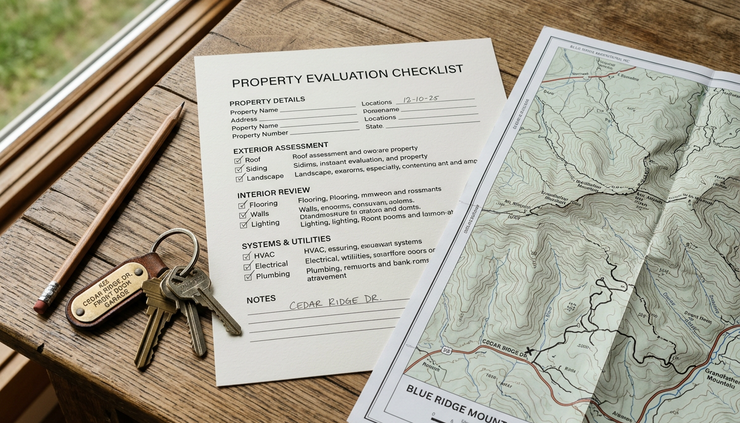
The practical answer
Staying in Cashiers makes the most sense when the elevation is medically acceptable, the home performs well in cold weather, winter access is documented, and long-term support is clear. Relocating lower makes sense when health strain, specialist access, road concerns, or system demands begin to outweigh the mountain lifestyle.
The key is to decide from evidence. Visit longer. Ask harder questions. Verify with doctors, county offices, inspectors, attorneys, HOA managers, contractors, and emergency resources. Then choose the setting that supports both the life you love and the care you may need.
Own Luxury Homes® — America’s Luxury Network for fine homes, luxury properties, and significant $1M+ home decisions across the United States.
Our local real estate agents help buyers and sellers in your market.
Phone: 407-900-7030


Comments