
Kansas City Luxury Home Permits: DIY or Specialist for a Faster Sale

You are choosing between two permit paths before selling: handle the permits yourself and save on service fees, or hire a local permit specialist, expeditor, contractor, architect, or preservation consultant to reduce the risk of delays.
The right answer starts with one question:
Could an open permit, missing approval, or historic review issue slow your listing, inspection response, appraisal, or closing?
If the work is minor, well documented, and outside a historic district, DIY may be reasonable. If the home has major renovations, exterior changes, older additions, accessory structures, or possible historic status, professional help often protects the sale timeline better than it protects the budget.
This guide is informational only. Permit rules can change, and luxury listings often involve details that need review by the City of Kansas City, a licensed contractor, an architect, an attorney, an HOA, or another local professional.

Start by identifying the city that controls the permit
“Kansas City” can mean different things in a real estate conversation. A home may sit in Kansas City, Missouri, Kansas City, Kansas, a nearby suburb, a county jurisdiction, or a private community with its own approval process.
For a property inside Kansas City, Missouri, official city permitting is handled through the City of Kansas City’s systems and departments. The city uses Compass KC for many permit and development service functions. The City Planning and Development Department is also the starting point for many zoning, land use, permit, and historic preservation questions.
That distinction matters because the wrong office can cost valuable time. A permit question for Kansas City, Missouri should not be treated the same as a question for Leawood, Mission Hills, Prairie Village, Overland Park, Fairway, Parkville, or Kansas City, Kansas.
Before deciding DIY or specialist, confirm:
The exact municipality where the property sits
The county
Whether the property is inside Kansas City, Missouri city limits
Whether a separate HOA, homes association, architectural committee, or subdivision restriction applies
Whether exterior work may fall under historic preservation review
Whether the work was completed by licensed contractors where required
A local agent should help you sort these dependably before you spend time chasing the wrong permit office.
The main decision rule for sellers
Use this practical rule when choosing the path for kansas city luxury home permits:
DIY works best when the work is simple, complete, well documented, and clearly under the correct city process. Hire a specialist when uncertainty could affect timing, disclosures, buyer confidence, or closing conditions.
Here is the tradeoff in plain terms.
DIY permit path
Lower direct cost
You control the process
Works for clear, smaller permit questions
Risk rises if you contact the wrong office
Can be slower if corrections are needed
Best when records are complete
Specialist permit path
Higher direct cost
A local professional manages filings and follow-up
Better for complex renovations and older homes
Risk drops when the specialist knows the department workflow
Often better for protecting listing and contract timelines
Best when records are missing, unclear, or disputed
The issue is not whether a seller is capable. Many careful owners can gather records and ask good questions. The issue is whether the permit path has enough uncertainty to threaten the sale schedule.
Luxury homes often have layered work: kitchens, additions, pools, finished lower levels, detached garages, elevators, mechanical systems, gates, exterior masonry, rooflines, windows, decks, carriage houses, or guest quarters. Each layer can bring a different permit, inspection, zoning, design review, or private approval question.
Know which improvements are most likely to trigger questions
A buyer, inspector, appraiser, lender, title company, or attorney may ask about work that changed the home’s structure, systems, use, or exterior appearance.
Common areas to review before listing include:
Additions and structural changes
Finished basements or attic conversions
Kitchen expansions that moved plumbing, gas, electrical, or load-bearing walls
Bathroom additions
Electrical panel upgrades
Mechanical systems, including HVAC changes
Plumbing changes
Roof structure changes
Decks, balconies, terraces, and retaining walls
Pools, spas, pool houses, outdoor kitchens, and cabanas
Detached garages, accessory dwelling spaces, studios, and carriage houses
New windows or doors, especially on historic properties
Exterior masonry, siding, porches, railings, and trim
Driveway gates, walls, fences, and site work
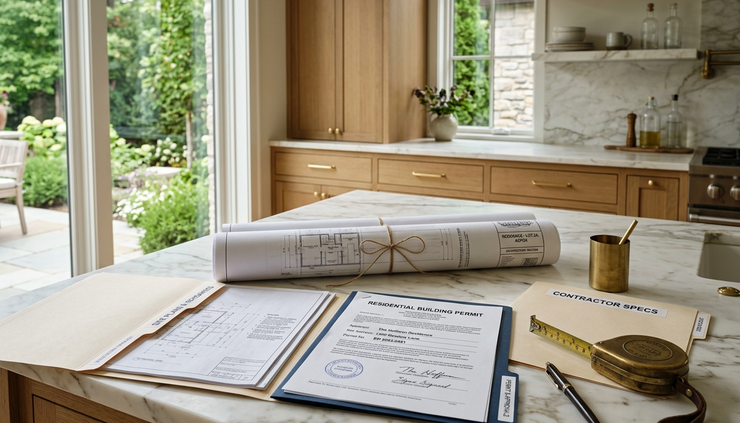
Do not assume that “the contractor handled it” settles the matter. Ask for permit numbers, final inspection records, certificates, and any approval letters. If the contractor is no longer available, a specialist may be able to help reconstruct the file, but that takes time.
Do not overlook historic preservation review
This is the step many sellers miss.
In Kansas City, Missouri, historic properties and properties within historic districts may involve review beyond a standard building permit. The City of Kansas City’s Historic Preservation office, within the city planning process, is the place to verify whether a property is locally designated, located in a historic district, or subject to historic review for certain exterior work.
For properties that are locally designated or located in a local historic district, exterior alterations, demolition, new construction, or other visible changes may require a Certificate of Appropriateness or other historic preservation approval. The exact requirement depends on the property and the proposed or completed work, so verify the specific status with the city before relying on assumptions.
This matters before a sale because historic review can affect items such as:
Window replacement
Porch changes
Exterior doors
Roofing materials or visible roof changes
Masonry repairs or painting
Additions visible from the street
Detached structures
Fences, walls, and gates
Demolition of contributing features
A standard permit search may not answer every preservation question. The first meeting with your local agent should include this direct question:
Which city office confirms whether this property has historic district or landmark review requirements?
For Kansas City, Missouri, that usually points to City Planning and Development and the city’s historic preservation resources, but verify the current process through official city channels.
When DIY permits make sense
DIY can be a good path when the work is narrow and records are clean.
It may fit when:
The home is not in a historic district or locally designated historic property, based on official confirmation
The work involved a clear permit type
You have permit numbers and final inspection records
No exterior design review or HOA approval appears to be involved
No buyer deadline is pressing
The city file only needs a record request or simple status check
You are comfortable using the city’s online system and communicating with staff
A seller taking the DIY route should keep a written log. Include the date, office contacted, person or department name, permit number, case number, and the next step given. Save PDFs, receipts, approval letters, inspection results, and emails in one folder.
A DIY seller should also resist the urge to “clean up” the permit story with guesses. If you do not know whether a permit was required, say that and verify. Real estate disclosures should be handled carefully with guidance from the right professionals.
When to hire a permit specialist or related professional
A specialist becomes more useful when the question is not just “Where do I click?” but “What path will keep this sale from stalling?”
Consider hiring help when:
Work was completed without clear permit records
A permit appears open, expired, incomplete, or missing final inspection
The property may be historic or in a historic district
The home has multiple phases of renovations
Additions or accessory structures may affect zoning, setbacks, or use
The listing date is close
The buyer has already raised concerns
The contractor is unavailable
The home has custom mechanical, electrical, plumbing, elevator, pool, or structural systems
You need a licensed contractor, architect, engineer, or preservation consultant to evaluate conditions
A specialist does not replace the city’s authority. They help you prepare a cleaner question, submit better documents, and respond to corrections. That can be the difference between a quick answer and a chain of resubmissions.
The right specialist depends on the issue. A permit expeditor may help with filings and follow-up. A licensed contractor may need to address trade work. An architect or engineer may be needed for drawings or structural questions. A preservation consultant may help with historic district review. An attorney may be appropriate if disclosure, title, boundary, easement, or enforcement issues appear.
How permit issues can affect a sale timeline
Permit problems rarely arrive at a convenient moment. They tend to surface when the seller has already listed, accepted an offer, or entered inspection negotiations.
The timeline impact can come from several places:
Waiting for city records
Determining which department has authority
Correcting an incomplete application
Scheduling inspections
Providing drawings or contractor documentation
Resolving work that does not match the filed plans
Getting historic preservation review
Coordinating HOA or architectural committee approvals
Answering buyer, lender, title, or attorney questions
The exact timing varies by property, permit type, department workload, and the quality of the records. Do not rely on a general estimate from another homeowner’s experience. Ask the city or the relevant professional what timeline applies to your specific question.
If the home is likely to list soon, treat permit review as pre-listing due diligence. Waiting until the inspection period can turn a manageable record issue into a negotiation problem.
Build a clean document packet before the first agent meeting
A strong first meeting with a local agent saves time. The goal is not to solve every permit question in one conversation. The goal is to decide which issues need city verification, professional review, or buyer-facing documentation before listing.
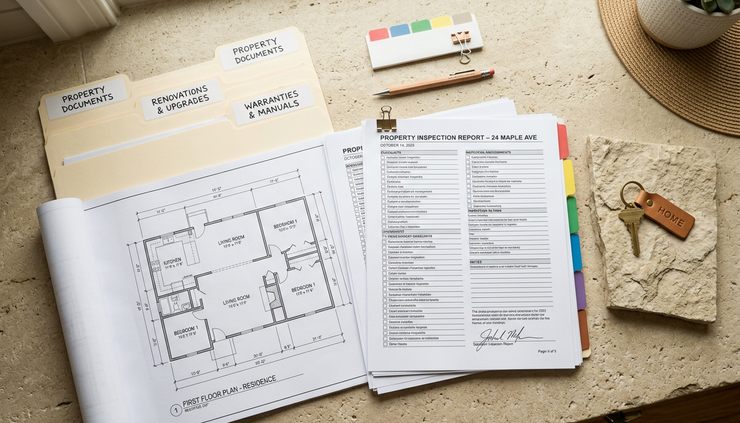
Bring these documents if available:
Current deed or closing statement with the legal owner name
Property address and parcel information
Survey, site plan, or plot plan
Floor plans and architectural drawings
Contractor invoices and scope-of-work documents
Permit numbers and inspection records
Final inspection approvals
Certificates of occupancy, if applicable
Historic approval letters or Certificates of Appropriateness, if applicable
HOA or architectural review approvals
Receipts and warranties for major systems
Before-and-after photos of renovations
List of all improvements made during ownership
Dates or approximate dates of major work
Names and license information for contractors used
Insurance claim documents tied to repairs
Any notices, code letters, or correction items from the city
Prior seller disclosures from when you bought the home
Appraisal notes or prior inspection reports that mention improvements
If you do not have everything, bring what you have. Missing documents are part of the decision.
Ask these questions before choosing DIY or specialist
Use the first agent meeting to separate simple tasks from high-risk unknowns.
Ask the agent:
Which municipality controls this address?
Which city department handles building permit records for this property?
Is the home inside Kansas City, Missouri city limits or another jurisdiction?
Is there any sign the property is locally designated historic or located in a historic district?
Which city office confirms historic preservation requirements?
Are there known HOA, homes association, or architectural committee rules?
Which improvements are most likely to draw buyer questions?
Should permit records be checked before listing photos, showings, or disclosures?
Should a contractor, architect, engineer, preservation consultant, attorney, or permit specialist review any part of the file?
How should open or unclear permit items be described in seller disclosures?
What permit documents should be made available to serious buyers?
Could any permit issue affect the preferred listing date or closing date?
If a buyer asks for proof of permits, what will we provide?
If the city record is incomplete, what is the next practical step?
Ask any permit specialist:
Which department or portal will you use for this property?
Have you handled similar issues in this municipality?
What documents do you need from me before filing anything?
Will the work require drawings, contractor letters, photos, or inspections?
Could historic preservation review apply?
Who communicates with the city, and how will updates be documented?
What parts of the process are outside your control?
What could cause the timeline to change?
What deliverable will I have at the end?
These questions keep the conversation focused on sale risk, not just paperwork.
A practical path for most luxury sellers
For many Kansas City luxury sellers, the best approach is a short two-step process.
Start with a pre-listing permit screen. Confirm the municipality, search for obvious permit records, list major improvements, and check whether historic preservation or HOA review may apply. A knowledgeable local agent can help organize this step and identify which questions need official answers.
Then decide whether to stay DIY or bring in a specialist.
Stay DIY if the issue is simple and the city record is clear. Bring in a specialist if the answer depends on interpretation, correction, inspection, drawings, preservation review, or multiple departments.
The most expensive permit path is not always the specialist. Sometimes the higher cost is delay, uncertainty, renegotiation, or a buyer walking into a question the seller could have answered earlier.
A luxury sale should feel prepared before the home reaches the market. That preparation starts with knowing who has authority, what records exist, and which permit questions deserve professional help.
Own Luxury Homes® — America’s Luxury Network for fine homes, luxury properties, and significant $1M+ home decisions across the United States.
Our local real estate agents help buyers and sellers in your market.
Phone: 407-900-7030


Comments