
Tariff Price Pass Through 5 Household Goods Spiking This Quarter and How to Avoid the Markup

That higher price tag on a washer, laptop, cabinet set, or replacement car part may not be random. In many retail categories, import costs that were absorbed earlier in the supply chain are now showing up at the checkout counter.
Tariffs do not always hit consumers overnight. Importers, wholesalers, manufacturers, contractors, and retailers often absorb part of the cost at first. As inventory turns over and margins get squeezed, more of that cost gets passed along. That process is known as tariff price pass-through.
Here is the quick version:
Retail prices often rise with a delay. Products already sitting in warehouses may have been priced before new tariff costs fully hit.
Big-ticket goods feel the pressure first. Appliances, electronics, building materials, and auto parts rely on complex global supply chains.
Consumers still have options. Timing purchases, comparing domestic alternatives, and checking contractor quotes can reduce the markup before it becomes baked in.
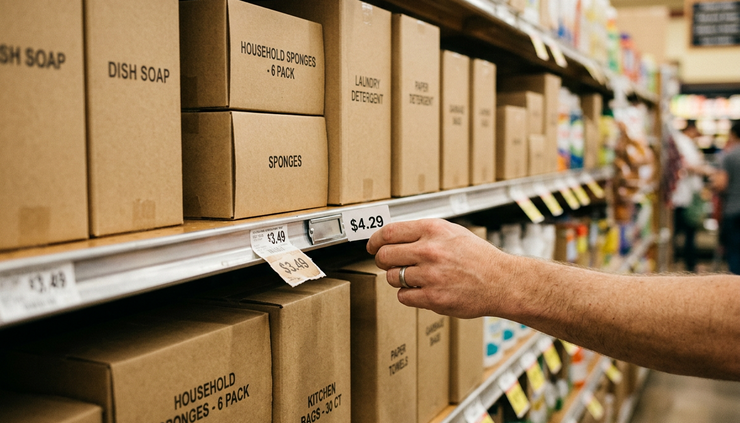
What tariff price pass-through means for household budgets
A tariff is a tax placed on imported goods. The importer typically pays it when the product enters the country. From there, the cost can move through the pricing chain in several ways.
A company may:
Absorb the cost and accept lower margins
Raise wholesale prices to retailers
Reduce discounts or promotions
Add a surcharge to invoices
Change product sizes, materials, or model availability
Pass the cost directly to consumers through higher shelf prices
The key point is timing. A product does not need to be newly imported this week for tariffs to affect the price this quarter. Retailers often price based on replacement cost. If the next shipment will cost more, they may raise current prices to protect future margins.
For households, this means price pressure can appear uneven. One store may still have older inventory at last season’s price. Another may have already repriced the same category. That gap creates a short window to shop carefully before higher prices spread.
The 5 household goods most likely to spike this quarter
The categories below are especially sensitive because they rely on imported components, overseas assembly, metals, electronics, textiles, or parts networks.
1. Consumer electronics are vulnerable because parts cross borders more than once
Phones, laptops, tablets, monitors, routers, gaming devices, and smart home equipment often contain parts sourced from multiple countries. A finished product may include imported chips, circuit boards, batteries, screens, casings, wiring, and chargers.
Even when final assembly happens in one country, the input costs can come from many others. That makes electronics highly exposed to tariff pass-through.
What shoppers may notice:
Fewer deep discounts on popular models
Smaller markdowns on last year’s devices
Higher prices on replacement chargers, cables, and batteries
Retailers pushing store-brand accessories with better margins
The best move is to separate wants from needs. If a laptop, phone, or tablet is still reliable, stretching its life by replacing the battery, adding storage, or repairing a cracked screen may beat buying new during a repricing cycle.
2. Home appliances are exposed through steel, aluminum, motors, and imported components
Refrigerators, dishwashers, washing machines, dryers, ranges, water heaters, and microwaves can be hit from several directions at once. Many include steel, aluminum, compressors, motors, electronic controls, valves, sensors, and finished parts that move through global supply chains.
Appliance prices can also jump because they are bulky. Shipping, warehousing, and delivery costs add another layer to the final price.
Watch for price changes on:
Refrigerators with smart features
Front-load washers and matching dryers
Dishwashers with stainless steel interiors
Water heaters and HVAC components
Built-in kitchen appliances tied to remodeling projects
If an appliance is near failure, do not wait until it breaks on a weekend. Emergency replacement usually means fewer choices, weaker bargaining power, and delivery fees that are harder to avoid.

3. Imported building materials can raise the true cost of home improvement
Home improvement costs can climb before a homeowner ever sees a receipt. Contractors buy materials through distributors that may already be repricing imported goods or adding tariff-related surcharges.
The most exposed materials can include:
Cabinets and vanities
Flooring
Tile
Lighting fixtures
Plumbing fixtures
Fasteners and hardware
Doors and windows
Countertop materials and installation supplies
The issue is not just the tariff itself. A delay in sourcing can force a contractor to substitute materials, buy from a smaller local inventory pool, or pay more for faster delivery.
For homeowners, the risk is scope creep. A kitchen remodel quoted two months ago may no longer match today’s material cost. If the estimate lacks detail, a surcharge can appear after demolition starts.
Before approving a project, ask for the material quote in writing and confirm how long pricing is valid.
4. Apparel and footwear can rise as retailers reset seasonal inventory
Clothing, shoes, outerwear, bags, and household textiles often operate on seasonal buying cycles. Retailers place orders months in advance, then adjust pricing as freight, duty, and sourcing costs change.
Consumers may not see a sudden across-the-board increase. Instead, the shift may appear as:
Fewer buy-one-get-one promotions
Higher prices on basics
More synthetic blends replacing natural fibers
Reduced clearance selection
Smaller discounts on popular sizes and colors
The most affected items are often everyday essentials, including children’s shoes, socks, jeans, coats, uniforms, bedding, and towels. These are categories where households make repeat purchases, so even modest increases can affect monthly budgets.
A practical response is to buy ahead only for predictable needs. Stocking up on socks before a school year makes sense. Buying extra trendy items that may not fit or get used does not.
5. Auto parts can become more expensive through replacement and repair channels
Vehicles contain thousands of parts, and many replacement parts move through international supplier networks. Tariff-related cost pressure can affect both original equipment parts and aftermarket parts.
This matters because auto parts prices do not stay inside the parts aisle. They show up in repair bills, insurance claims, fleet maintenance costs, and do-it-yourself projects.
Commonly exposed items include:
Brake components
Batteries
Tires and wheels
Sensors
Filters
Lighting assemblies
Body panels
Windshield wiper motors and small electrical parts
If a repair can wait safely, get more than one quote. If a repair affects braking, steering, tires, lights, or visibility, handle it promptly. Delaying a safety repair to avoid a price increase can cost more later.
Category price pressure at a glance
The ranges below are practical estimates for near-term retail pressure, not guaranteed forecasts. Actual increases vary by brand, store, inventory age, supplier contracts, and local availability.
Affected retail category | Estimated price increase range this quarter | Underlying supply chain cause |
Consumer electronics | 3% to 10% | Imported components, batteries, circuit boards, screens, and accessories |
Home appliances | 4% to 12% | Steel, aluminum, motors, compressors, electronic controls, and bulky shipping costs |
Imported building materials | 5% to 15% | Cabinets, flooring, tile, fixtures, hardware, distributor surcharges, and limited inventory |
Apparel and footwear | 2% to 8% | Seasonal import cycles, textiles, footwear materials, freight, and reduced promotions |
Auto parts | 4% to 14% | Imported replacement parts, metals, electronics, sensors, and aftermarket supply constraints |
The price you see today may reflect tomorrow’s replacement cost. That is why some retailers raise prices before every item on the shelf came from a higher-cost shipment.

The 4-step consumer protection guide
This section is informational only and should not replace advice from a qualified financial, tax, legal, or contracting professional. The goal is simple: reduce avoidable markups and make planned purchases with a clearer view of timing, sourcing, and quote details.
Step 1. Pre-buy or lock in pricing for planned major purchases
If a purchase is already planned, timing matters. Waiting for a perfect sale can backfire when base prices are rising faster than discounts.
Good candidates for early buying include:
A refrigerator that is already failing
A washer or dryer with repeated repair issues
Flooring for a scheduled remodel
Cabinets for a kitchen project
A water heater close to the end of its service life
Replacement windows or doors for a project already approved
Use this approach:
Get current quotes from two or three sellers.
Ask how long the quoted price is valid.
Confirm delivery costs, installation fees, and haul-away charges.
Ask whether the product is in stock or subject to backorder pricing.
Keep a written copy of the quote, including model numbers and terms.
For remodels, ask whether your contractor can lock in material prices with a deposit. Read the terms closely. A “price lock” may apply only to the listed materials, not substitutions, freight, storage, or labor.
Avoid panic buying. Pre-buying makes sense for real, planned needs. It does not make sense to fill a garage with products that may not fit, expire, go out of style, or become difficult to return.
Step 2. Source domestic refurbishments and secondary market alternatives
Not every smart purchase has to be new. Refurbished, open-box, returned, floor-model, and gently used goods can help avoid the newest tariff-adjusted retail price.
Strong candidates include:
Refurbished laptops and monitors
Open-box appliances with full return windows
Salvaged doors, fixtures, and cabinets
Rebuilt auto parts from reputable sellers
Lightly used tools for one-time home projects
Floor models with manufacturer warranties
For electronics, check battery health, return policy, warranty length, and included accessories. For appliances, inspect dents, missing shelves, installation requirements, and whether the warranty starts at purchase or original retail placement.
For building materials, measure twice and buy extra where needed. Flooring, tile, and cabinets can be hard to match later if you come up short.
Secondary markets work best when you have flexibility. If you need a very specific size, color, or model, start early. The best savings go to shoppers who can wait for the right item without being forced into an emergency purchase.

Step 3. Use price trackers and compare local suppliers
Price-tracking tools can help identify whether a “sale” is real or just a discount from a newly inflated list price. Browser extensions and shopping apps often show price histories, alerts, and comparisons across major retailers.
Use them for:
Electronics
Small appliances
Tools
Fixtures
Home goods
Auto accessories
Household essentials with repeat purchases
Set alerts for exact model numbers. A 27-inch monitor from one product line may have different parts, ports, warranty coverage, and panel quality than a similar-looking model.
Do not stop at national retailers. Local suppliers can beat online prices in categories where delivery is expensive or stock is regional.
Check:
Independent appliance stores
Building supply yards
Flooring warehouses
Plumbing and electrical supply houses
Local auto parts stores
Habitat-style reuse stores
Contractor surplus outlets
When comparing prices, include the full cost. A cheaper item with high delivery fees, a short return window, or no local service support may cost more in the long run.
Step 4. Audit contractor material quotes for tariff surcharge line items
Contractor quotes can include labor, materials, permits, disposal, delivery, and contingencies. During periods of tariff pressure, some estimates may also include vague charges tied to materials or supplier fees.
Ask for clarity without turning the process into a confrontation.
Useful questions include:
Which materials are imported and which are domestically sourced?
Are any tariff, duty, freight, or fuel surcharges included?
Is the surcharge a fixed amount or subject to change?
How long are material prices guaranteed?
What substitutions are allowed if the quoted item becomes unavailable?
Will I approve substitutions before purchase?
Can you separate labor from material pricing?
Watch for vague labels such as `tariff surcharge`, `import fee`, `material adjustment`, `supplier escalation`, or `pricing contingency`. These may be legitimate, but they should be explained.
For large projects, request a simple allowance schedule. This shows how much the quote includes for cabinets, tile, fixtures, flooring, lighting, and other major items. If actual material choices exceed the allowance, you will know why the total changed.
Smart timing beats panic spending
Tariff-driven price increases can feel outside of personal control, but the response does not have to be passive. The winning strategy is to identify what must be bought soon, what can be repaired, and what can be sourced through another channel.
A practical household plan looks like this:
List major purchases likely within the next six months.
Rank them by urgency and price risk.
Get written quotes now for the biggest items.
Repair what is still worth repairing.
Compare new, refurbished, open-box, and domestic alternatives.
Review contractor quotes before approving work.
Track prices rather than trusting sale banners.
The goal is not to predict every tariff move. The goal is to avoid being surprised when delayed costs reach the shelf, the invoice, or the repair bill. A few careful decisions this quarter can protect hundreds of dollars on big-ticket goods and keep home improvement projects from drifting beyond budget.


Comments